quite quiet
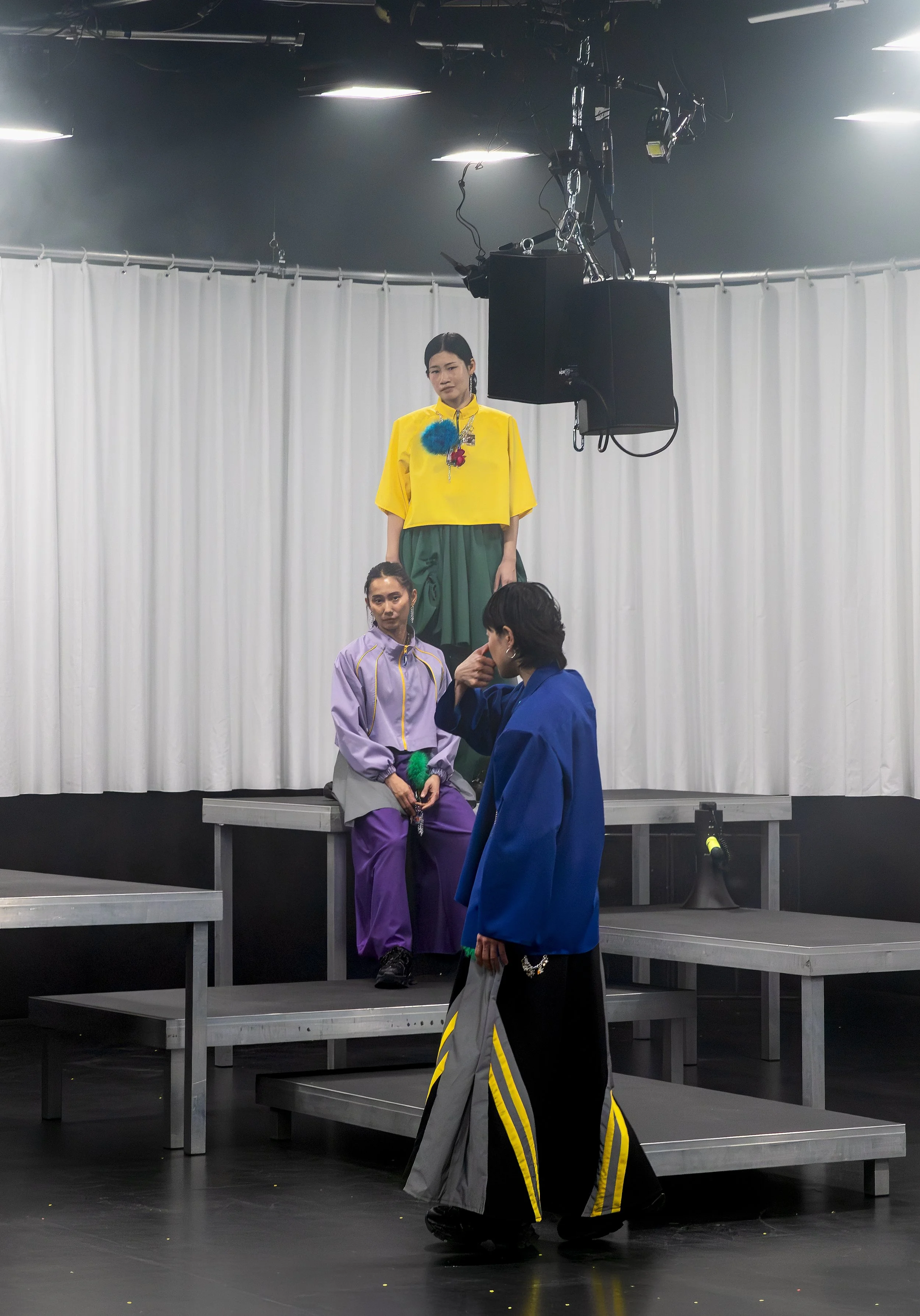
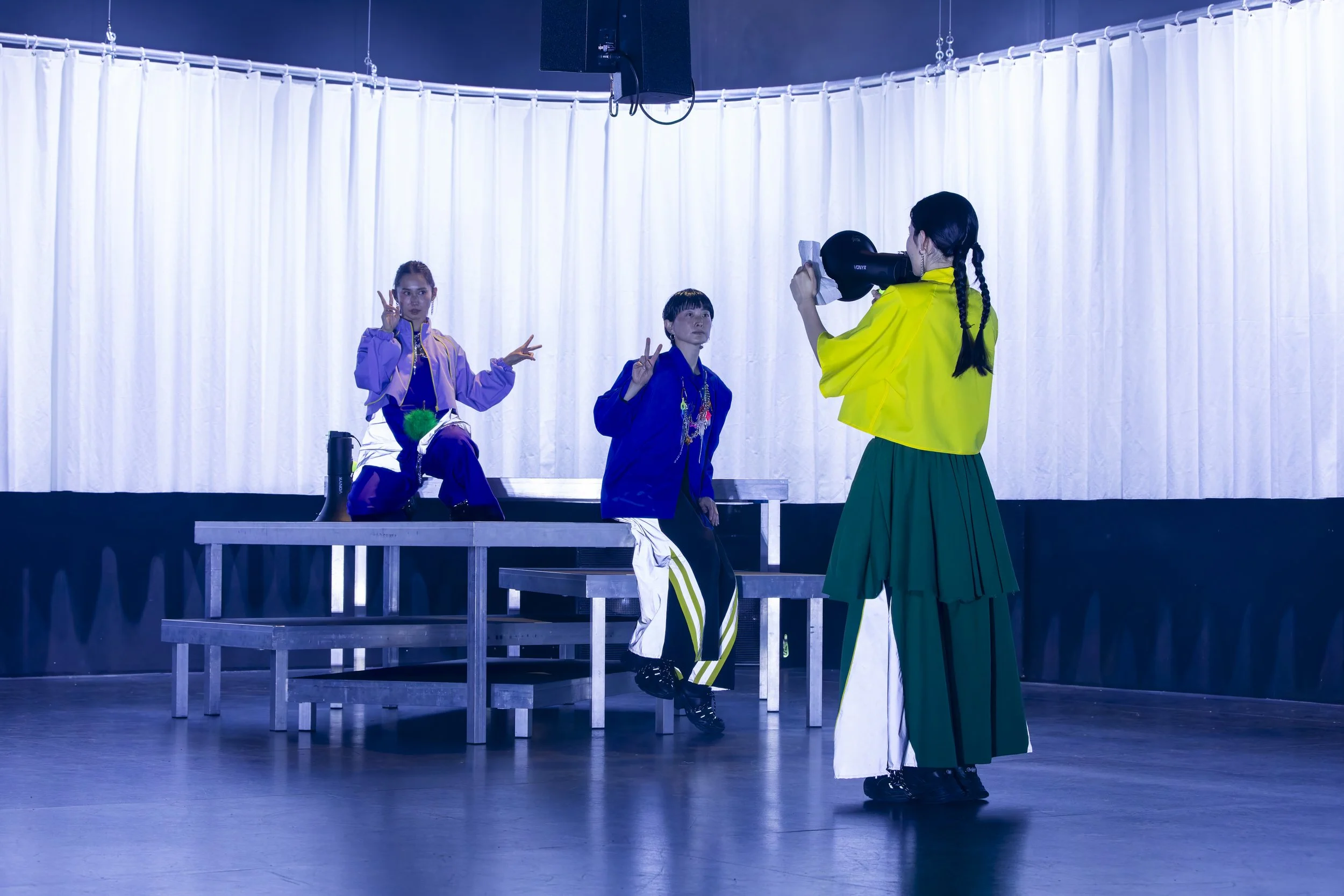
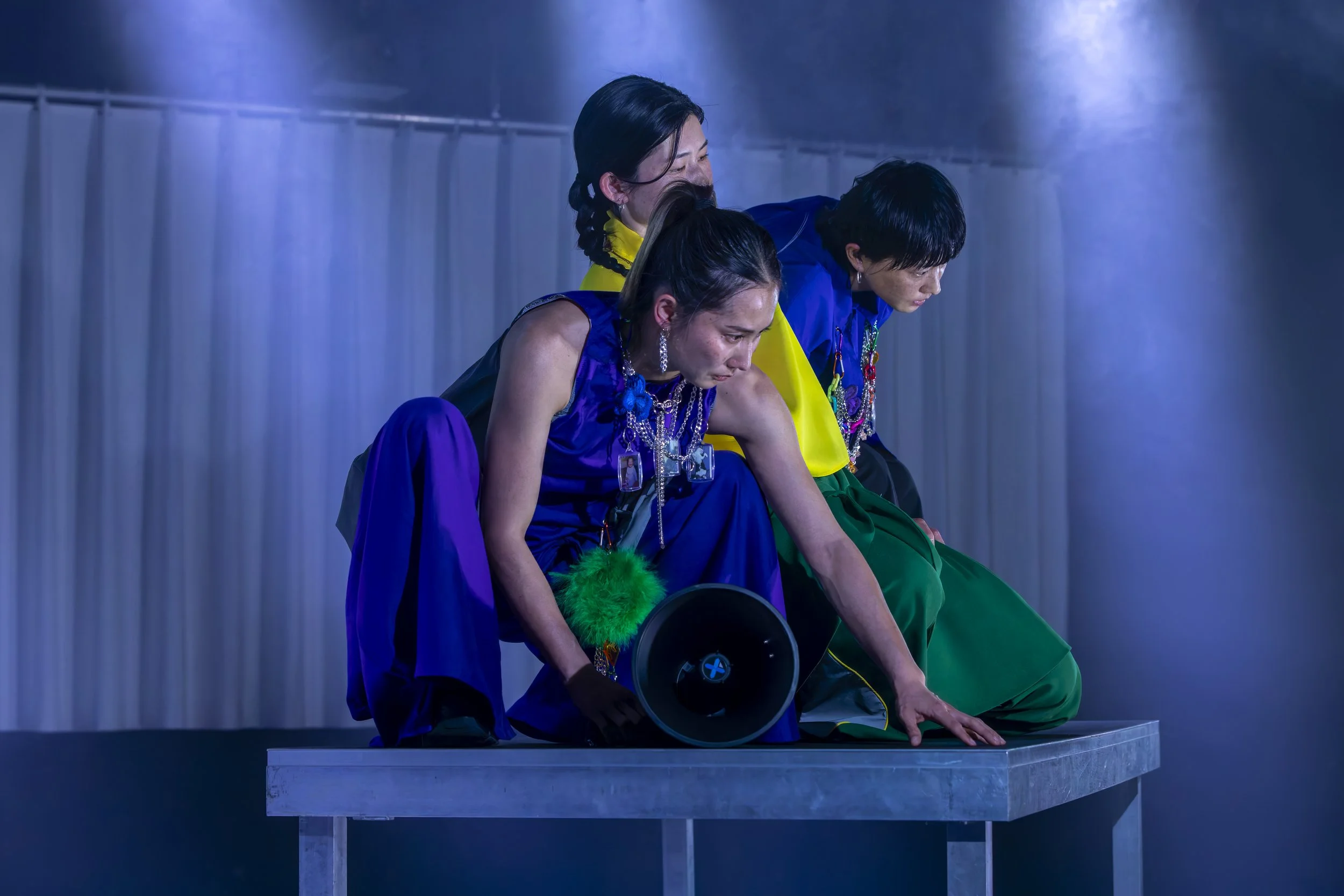
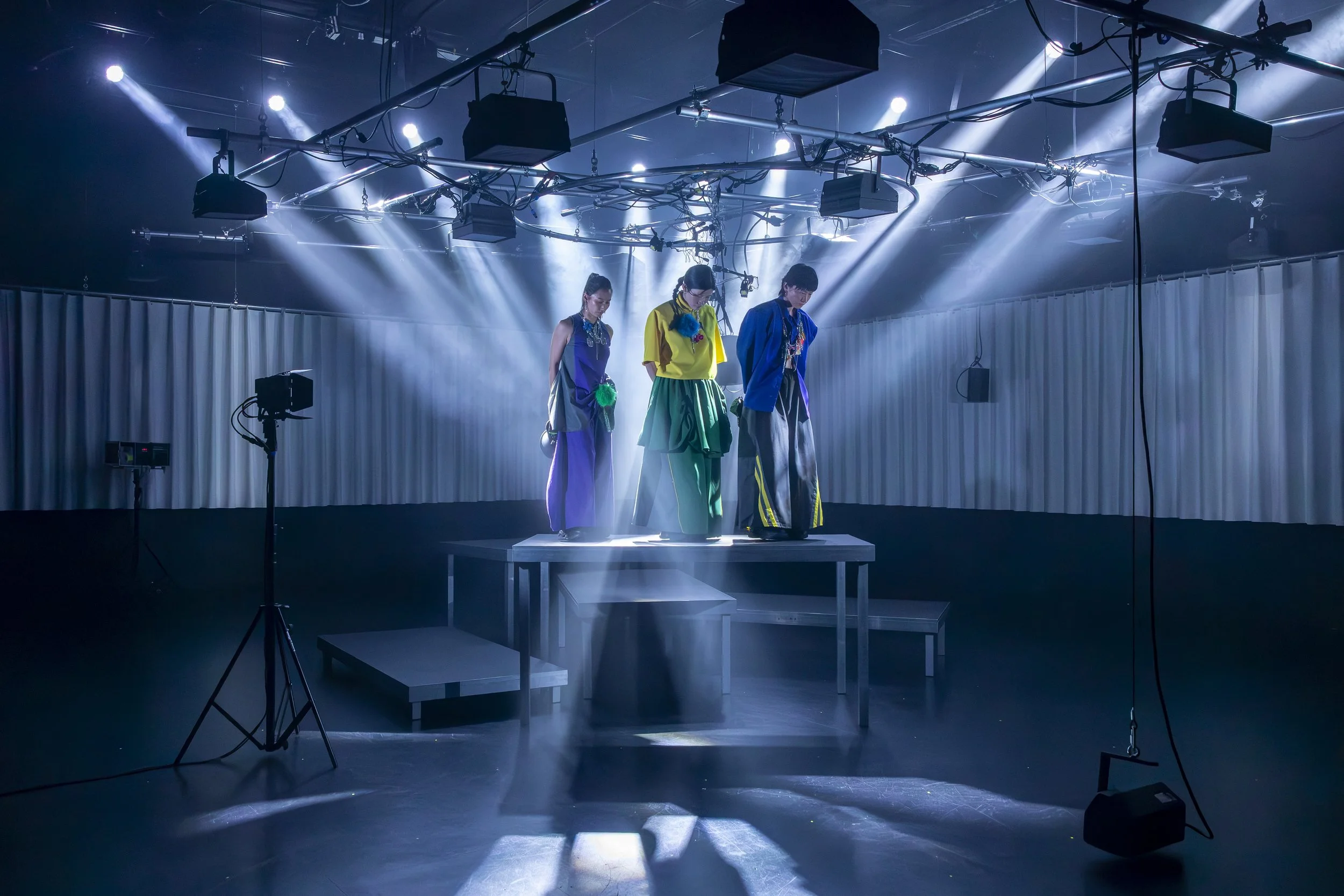
Through traditional iconography and subcultural references, quite quiet deconstructs embodied stereotypes of Japanese femininity shaped by the white gaze and fetishisation. It reflects on cultural expectations of self-restraint often associated with Japanese society, while acknowledging Japan’s complex relationship with Western ideals, adopting and subverting them.
Drawing on cultural forms of expression, codes of pop culture and subculture, and gestures of resilience. It explores how female roles are imposed, projected, and lived out. Here, quietness becomes performative material; the presence of an individual in relation to their surroundings is redefined as a form of nuanced and self-determined action.
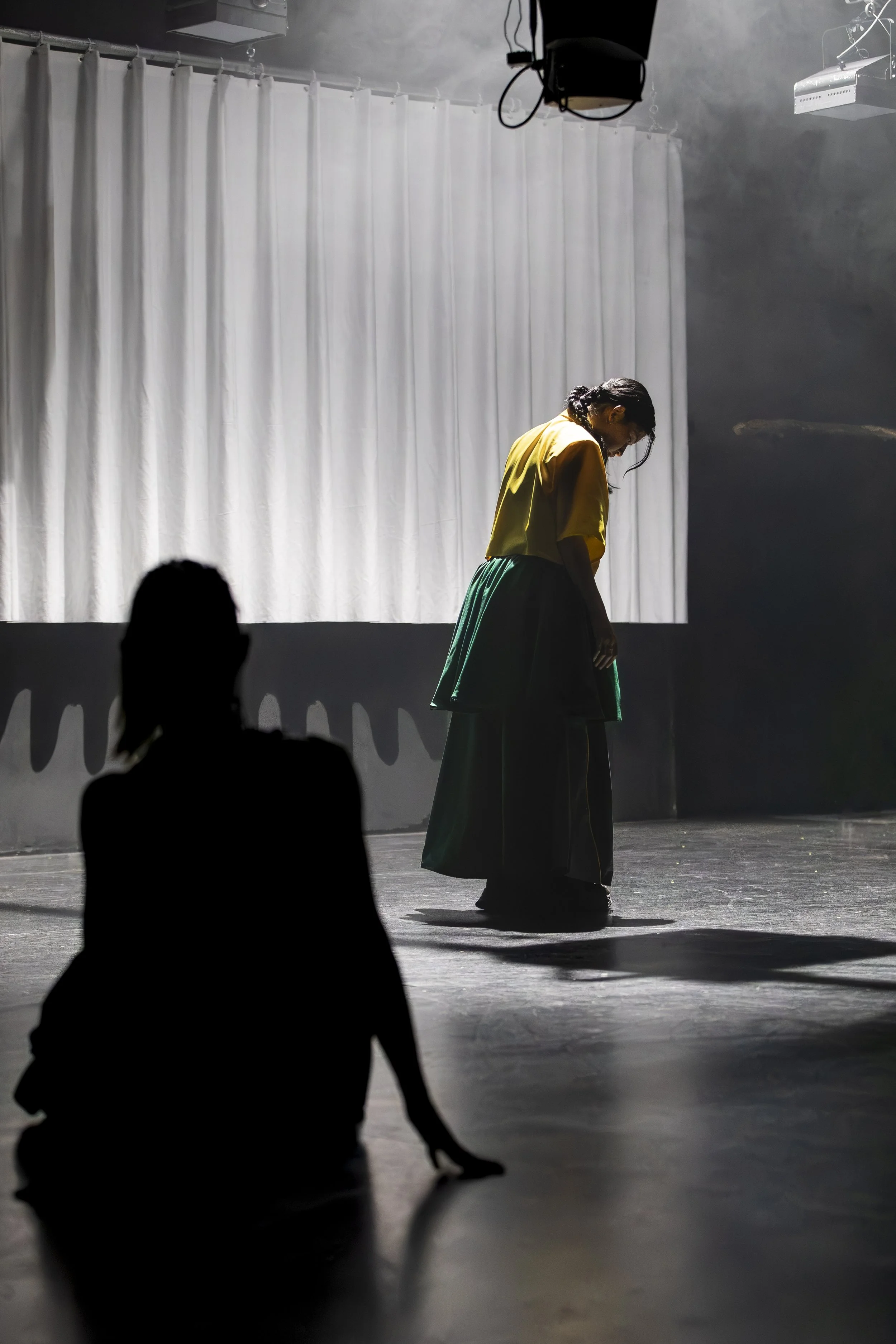
Quietness and silence are approached as cultural and political material, leaving room for tension through subtlety and collectivity. Rather than absence or emptiness, silence becomes an intentional and affective force: a space for resonance, friction, ambiguity, and resistance.
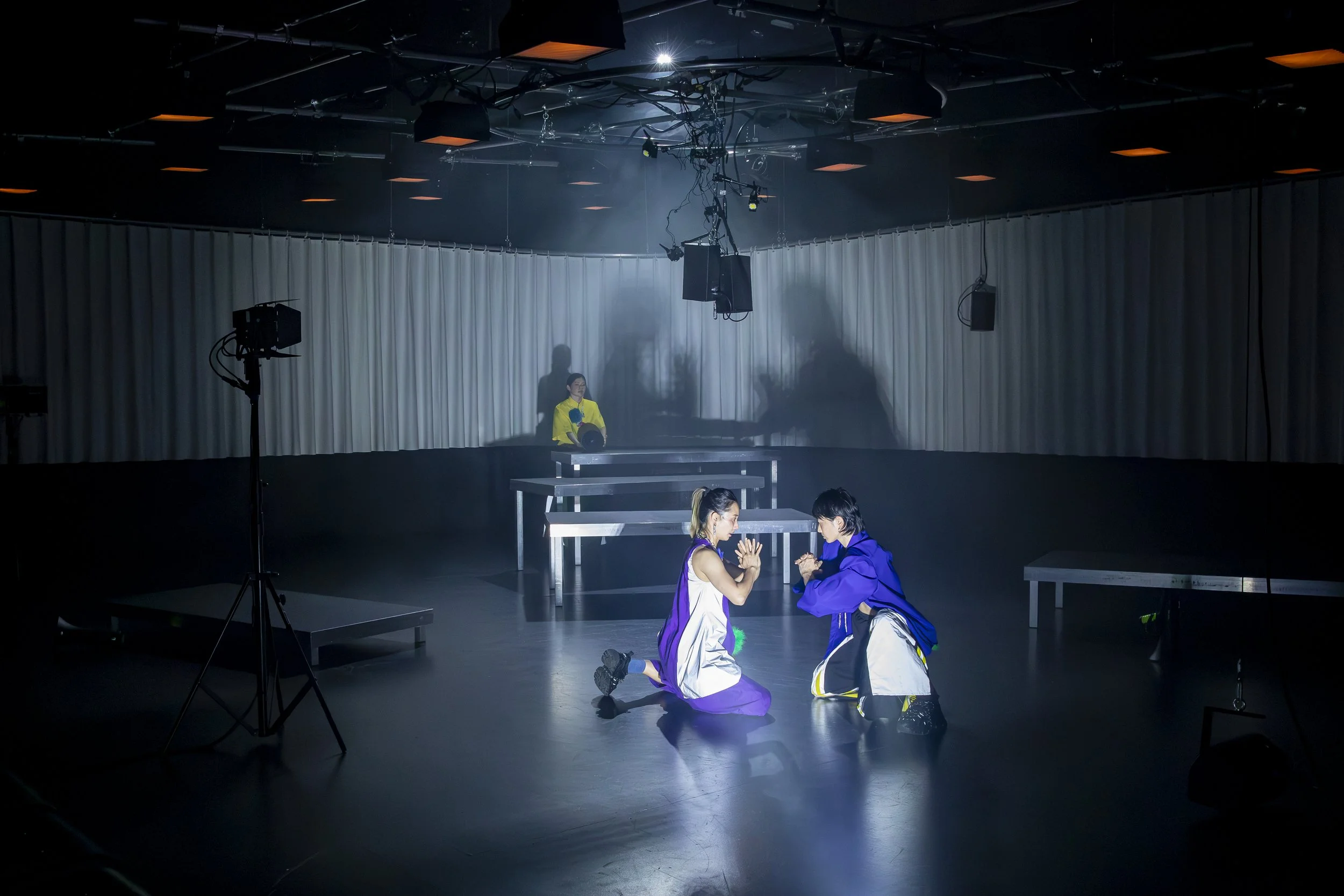
The staging unfolds through ambivalence, restraint, and stylisation, offering a perspective on how we perceive others. Performers move through contained gestures, as if attuning to unspoken social codes around them. Subtle shifts of the body, shared stillness, and voices hovering near silence draw attention to states of being and becoming and to moments of perception within micro-events.
Can silence be reclaimed as a form of agency?
quite quiet invites audiences into a landscape in which what is unspoken comes quietly into view beyond what is seen or heard. An invitation to stay with ambiguity.